

Hardware Solutions for High-Traffic Commercial Centres
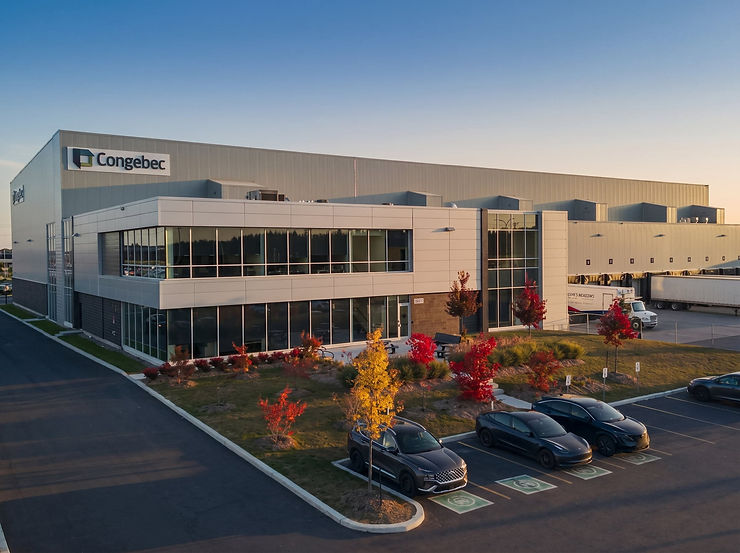
Commercial centres are one of the toughest tests there is for architectural hardware. Across retail tenancies, back-of-house corridors and public thoroughfares, doors can take thousands of cycles a day, and every hinge, closer and lever has to hold up to sustained heavy use. Choosing the right commercial hardware in Perth for this environment is the difference between doors that just work and doors that generate constant callbacks. Here is what high-traffic specification involves, and what our team supplied on a recent centre project.
What makes commercial centres so demanding on door hardware?
Sheer volume of use. A shopping centre entry or a service corridor can cycle thousands of times a day, every day, for years. Domestic or light commercial hardware is simply not built for that duty, and it shows up fast as loose fixings, sagging doors, closers that leak and levers that work loose. In a centre, a single failed door in the wrong spot disrupts trading and creates a hazard.
The other challenge is variety. One building holds many different door conditions, from customer-facing entries that need to look good and operate smoothly, to fire-rated service doors that have to perform under audit. Each condition needs a slightly different answer, so a centre specification is really a set of coordinated decisions rather than one product repeated across the schedule.
What door hardware stands up to high-traffic use?
Hardware built and rated for the cycle count. Heavy-duty hinges carry the door weight over millions of cycles without sagging, self-closing door closers bring doors back reliably every time, and commercial-grade lever sets resist the wear that destroys lighter fittings. Door stops protect walls and adjacent hardware from the constant impact that high traffic brings.
Grade matters as much as type. Commercial door furniture is manufactured and tested to withstand far higher use than residential equivalents, and specifying to the right grade is what keeps maintenance low. We supply leading commercial ranges including Dormakaba and Lockwood, and we match the product grade to the real duty of each opening rather than defaulting to a single spec across the whole building.
Where do fire-rated requirements apply in a commercial centre?
Mostly in the areas the public never sees. Service corridors, plant rooms, back-of-house passages and stair cores are typically part of the building's fire compartmentation, so the doors there need hardware certified as part of a fire doorset under AS 1905.1. Closers, hinges and latching all have to be compatible with the door's fire rating, not just fitted to it.
This is where specification errors are expensive, because fire hardware is checked and non-compliance has to be rectified. On a commercial centre we map which openings are fire-rated and specify certified hardware for each one, so the fire doors pass inspection and the customer-facing doors stay smooth and inviting. Getting that split right the first time avoids costly rework later.
What did Barnetts supply for the commercial centre project?
We supplied and specified a full range of door hardware across multiple tenancy types. That included heavy-duty hinges, self-closing door closers, lever handles and door stops, chosen to suit the duty of each area. The approach shifted by zone, from fire-rated door hardware in the service corridors through to durable, low-maintenance lever sets on the customer-facing entries.
Coordinating the whole schedule meant each area got hardware matched to its actual use rather than a one-size-fits-all order. That is what keeps a centre running smoothly, because the doors that take the heaviest punishment are the ones specified with the most headroom, and the public-facing doors still look and feel the part.
How does correct specification reduce maintenance and callbacks?
By removing the failures before they happen. When hardware is matched to the cycle count and the door condition from the start, doors keep closing correctly, fire doors keep passing inspection, and centre management is not paying for repeat visits to fix the same tired fittings. Every avoided callback is saved labour, saved downtime and one less disruption to trading.
The saving compounds over the life of the building. Low-maintenance, correctly graded hardware costs a little more up front and far less across the years it stays in service. For facility managers and builders, that practical, project-specific knowledge is exactly what prevents the costly hardware failures that show up eighteen months after handover.
Specifying hardware for a commercial project?
If you are fitting out or maintaining a high-traffic commercial building, the smartest first step is a hardware schedule matched to how each door is really used. We can review your openings, flag the fire-rated ones, and recommend commercial-grade products that will not need constant attention.
Barnetts Architectural Hardware has been WA owned and operated for over thirty years, supplying commercial door hardware, accessibility fittings and architectural hardware to Perth's trade and compliance sector. Browse the Catalogue or Request a Quote, call (08) 9204 4211, or email enquiries@barnettswa.com.au to talk through your project.
